
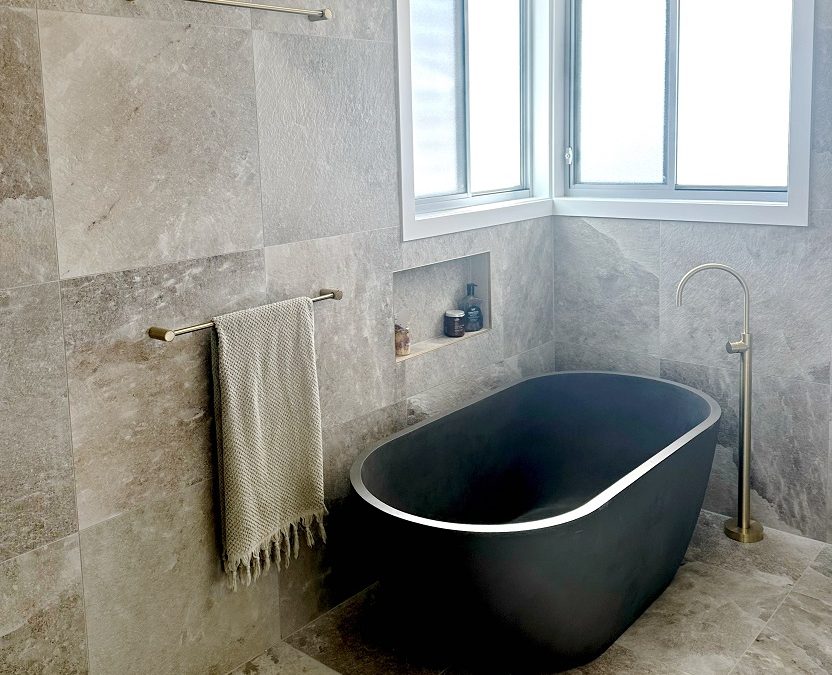
Common Bathroom Renovation Mistakes Brisbane West Homeowners Should Avoid
A bathroom renovation can look simple from the outside.
Choose tiles.
Choose a vanity.
Choose tapware.
Choose a shower screen.
Install everything neatly.
Done.
But bathrooms are more technical than they look.
A bathroom is a wet area. It has to manage water, steam, humidity, drainage, ventilation, privacy, storage, lighting, safety and daily use. If the hidden parts are not planned properly, the bathroom can look beautiful on handover day and still create problems later.
That is why bathroom renovation mistakes can be expensive.
Poor waterproofing can cause leaks. Poor ventilation can allow mould to return. Bad drainage can leave water sitting where it should not. The wrong vanity can make the room feel cramped. A poor layout can make the bathroom harder to use than before.
If you are planning a bathroom renovation in Brisbane West, here are the common mistakes to avoid before work starts.

Mistake 1: Choosing Tiles Before Solving the Layout
Tiles are usually one of the first things homeowners think about.
That makes sense. Tiles define the look of the bathroom.
But the layout should come first.
Before choosing tile colours, sizes or patterns, work out how the bathroom needs to function.
Ask:
- is the shower large enough?
- is the vanity in the right position?
- does the toilet feel awkward or exposed?
- is there enough space to move?
- does the door swing cause problems?
- is there enough storage?
- where will towels go?
- will the bathroom suit children, guests or future needs?
- is the existing layout worth keeping?
- would moving plumbing actually improve the room?
A bathroom with beautiful tiles can still be frustrating if the layout is wrong.
The layout controls how the room works. Tiles control how it looks.
Both matter, but layout needs to lead.
Mistake 2: Moving Plumbing Without Understanding the Cost
Moving the toilet, shower, vanity or bath can improve a bathroom, but it can also increase cost and complexity.
A toilet is connected to sanitary drainage. A shower needs correct fall, drainage, waterproofing and screen placement. A vanity needs water supply, waste and enough usable space around it.
Moving these fixtures may affect:
- drainage
- water lines
- floor preparation
- concrete cutting
- timber floor access
- wall framing
- waterproofing zones
- tiling set-out
- timeline
- documentation
- cost
Sometimes moving plumbing is worth it.
If the existing layout is cramped, unsafe or poorly planned, changing fixture locations can create a much better result.
But the decision should be deliberate.
Do not move plumbing just because a floor plan looks more modern. Move it when it meaningfully improves the bathroom.
Mistake 3: Rushing Waterproofing
Waterproofing is one of the most important parts of a bathroom renovation.
It is also one of the least visible once the bathroom is finished.
That makes it easy for homeowners to underestimate.
After tiling, the waterproofing system is hidden. If it fails, the problem may not appear immediately. It may show up later as mould, damp smells, swollen cabinetry, water stains, loose tiles or damage to adjoining rooms.
Waterproofing needs correct preparation, correct application and suitable curing time.
It should not be rushed just to make the timeline look faster.
Before accepting a quote, ask:
- is waterproofing included?
- who is completing the waterproofing?
- what areas are being waterproofed?
- how does waterproofing fit into the schedule?
- does the timeline allow for curing before tiling?
- what happens if water damage is found during demolition?
A bathroom renovation is not only about the visible finish.
The hidden work matters just as much.
Mistake 4: Treating Ventilation as Optional
Bathroom ventilation is not a luxury.
It is part of keeping the room healthy and usable.
Bathrooms create steam and moisture every day. Without good ventilation, moisture can sit on walls, ceilings, grout, silicone, cabinetry and mirrors.
That can lead to mould, damp smells, peeling paint and condensation.
This is especially important in small bathrooms and ensuites, where steam builds quickly.
Ventilation mistakes include:
- using an undersized exhaust fan
- placing the fan poorly
- not ducting moisture properly
- relying only on a small window
- blocking airflow with the door
- ignoring moisture in enclosed showers
- choosing finishes without thinking about humidity
- not improving ventilation during the renovation
A new bathroom should not just look cleaner.
It should manage moisture better than the old one.
If mould was already an issue before the renovation, the design should address why it was happening.
Mistake 5: Choosing a Vanity That Is Too Large
A large vanity can look impressive in a showroom.
In a real bathroom, it can become a problem.
If the vanity is too big, it can make the room feel tight, block movement, interfere with the door, crowd the toilet or make the shower entry awkward.
Storage matters, but not at the expense of usability.
A better vanity choice may be:
- wall-hung vanity
- narrower vanity with better drawers
- mirrored cabinet above
- recessed shaving cabinet
- custom storage niche
- tall storage cabinet if space allows
- smaller vanity with better internal organisation
The aim is not always the biggest vanity.
The aim is useful storage without making the bathroom harder to use.
Mistake 6: Poor Shower Screen Placement
Shower screen placement affects how the bathroom feels and functions.
A poorly placed shower screen can make the room awkward, trap water, make cleaning harder or create a narrow entry.
This matters in small bathrooms, walk-in showers and ensuites.
Before finalising the shower design, think about:
- where the screen starts and ends
- whether water will splash outside the shower
- whether the entry is wide enough
- whether the door swings safely
- whether fixed glass is better than a hinged door
- how easy the glass will be to clean
- whether the shower head position suits the screen
- whether the floor fall directs water properly
A walk-in shower can look simple, but it needs careful planning.
If the screen, shower head, floor waste and tile fall do not work together, water can end up where it should not.
Mistake 7: Ignoring Floor Falls and Drainage
Water needs to move correctly in a bathroom.
That sounds obvious, but drainage mistakes are a common source of frustration.
If floor falls are wrong, water may pool near the shower, sit around a niche, collect at the screen, run toward the door or fail to drain properly.
Drainage planning affects:
- shower design
- floor waste position
- tile selection
- tile cuts
- waterproofing
- screen placement
- accessibility
- cleaning
- long-term moisture control
This is one reason bathroom renovations need careful trade coordination.
The finished bathroom should not only look flat and neat. It needs to move water where it is meant to go.
Mistake 8: Forgetting Everyday Storage
Bathrooms need practical storage.
Not just decorative shelves.
Real storage.
A bathroom may need space for:
- toothbrushes
- skincare
- shaving gear
- hair products
- cleaning products
- toilet paper
- towels
- children’s bath items
- spare soap
- medicine
- hair dryer
- makeup
- laundry items
A common mistake is choosing a beautiful vanity with poor storage inside.
Another mistake is adding a niche or shelf without considering what will actually be stored there.
Good bathroom storage can include:
- drawer vanities
- mirrored shaving cabinets
- recessed cabinets
- wall niches
- tall cabinets
- towel storage
- internal drawer organisers
- concealed power for grooming appliances
Storage should be planned around real use.
A minimal bathroom can look clean in photos, but it still needs somewhere for daily items to go.
Mistake 9: Poor Mirror and Lighting Placement
Bathroom lighting needs to work around the mirror.
A single ceiling light can create shadows on the face, especially when shaving, applying makeup or getting ready.
Better bathroom lighting often includes:
- good general lighting
- mirror lighting
- task lighting near the vanity
- suitable light temperature
- safe placement
- switches in practical locations
- ventilation and lighting coordination
The mirror also needs to suit the vanity, ceiling height, users and storage needs.
A mirrored cabinet can be a smart way to add storage without taking up floor space.
Do not leave mirror and lighting decisions until the end. They affect how the bathroom works every day.
Mistake 10: Forgetting Towel Rails, Hooks and Accessories
Bathroom accessories are often treated as final details.
But they should be planned earlier.
Towel rails, robe hooks, toilet roll holders, niches and shelves all need practical locations.
Common mistakes include:
- no good place for towels
- towel rail too far from the shower
- robe hooks behind a door that hits the wall
- toilet roll holder in an awkward spot
- niche positioned too low or too high
- accessories fixed into poor substrate
- no place for hand towels
- no storage near the vanity
A bathroom can be beautifully built and still feel annoying if everyday items have nowhere to go.
Plan the small details before walls are finished and tiles are installed.
Mistake 11: Choosing Products That Do Not Suit the Room
Not every bathroom product suits every bathroom.
Large freestanding baths can look excellent, but not if they make the room cramped or hard to clean.
Black tapware can look sharp, but homeowners should understand cleaning and water-mark considerations.
Textured tiles can add grip and character, but may be harder to clean in some areas.
Small mosaics can look detailed, but they increase grout lines.
A floating vanity can create a sense of space, but it still needs adequate storage.
Choose products based on:
- room size
- cleaning expectations
- durability
- household use
- water exposure
- maintenance
- safety
- ventilation
- style of the home
- budget
- long-term practicality
The best bathroom products are not always the most fashionable.
They are the ones that suit the space and the household.
Mistake 12: Not Checking Asbestos Risk in Older Homes
Many Brisbane West homes were built or renovated before modern asbestos restrictions.
In older homes, asbestos-containing materials may be present in wall sheeting, backing boards, flooring, ceilings, eaves, splashbacks or other materials.
This is especially important before demolition.
The mistake is assuming asbestos will be obvious.
It is not always possible to identify asbestos-containing materials by looking at them. If there is any concern, it should be checked before materials are disturbed.
This does not mean every older bathroom renovation becomes a major asbestos project.
It means the risk should be considered before demolition starts.
A proper renovation plan should explain what happens if suspect materials are found.
Mistake 13: Accepting a Vague Quote
Bathroom renovation quotes can be difficult to compare.
One quote may include demolition, waste removal, waterproofing, plumbing, electrical, tiling, fixtures, fittings, shower screen, vanity, painting and finishing.
Another quote may include only part of the work.
A vague quote can lead to variations, delays and disagreement later.
Before accepting a bathroom renovation quote, check whether it includes:
- demolition
- waste removal
- plumbing
- electrical work
- waterproofing
- wall and floor preparation
- tile supply
- tile labour
- vanity
- tapware
- toilet
- shower screen
- mirror
- lighting
- exhaust fan
- painting
- accessories
- product allowances
- exclusions
- variation process
- timeline
- documentation
Do not choose a quote only because it is the lowest.
Choose the quote that clearly explains the actual job.
Mistake 14: Underestimating the Timeline
Bathroom renovations involve sequencing.
Demolition needs to happen before rough-in. Plumbing and electrical need to happen before sheeting. Waterproofing needs to happen before tiling. Tiling needs to happen before fit-off. Custom shower screens may need to be measured after tiling.
A bathroom renovation can take longer than homeowners expect because some stages cannot be rushed.
Delays can happen because of:
- hidden water damage
- asbestos risk
- plumbing changes
- electrical upgrades
- product delays
- tile availability
- custom shower screen timing
- waterproofing cure time
- variation decisions
- trade scheduling
A realistic timeline is better than a fast promise.
If the bathroom is the only bathroom in the home, timing matters even more. Homeowners should plan for when the toilet, shower and vanity will be unavailable.
Mistake 15: Renovating for Looks Instead of Long-Term Use
A bathroom should look good, but it also needs to work.
A good bathroom renovation should be:
- waterproofed properly
- ventilated properly
- easy to clean
- practical to move through
- safe underfoot
- suited to the household
- durable
- well lit
- properly drained
- planned around storage
- documented clearly
The best bathroom renovations feel simple once finished because the hard thinking happened earlier.
The room should not only look clean and modern.
It should handle water, steam and daily use properly.
Planning a Bathroom Renovation in Brisbane West?
If you are planning a bathroom renovation in Brisbane West, Briswest Renovations can help you avoid the common mistakes that lead to stress later.
From Indooroopilly and Kenmore through to Chapel Hill, Toowong, Taringa, Bardon, The Gap, Fig Tree Pocket and surrounding suburbs, every bathroom has its own layout, structure and hidden risks.
A good bathroom renovation should not start with guesswork.
It should start with a proper plan, clear scope, realistic timeline and builder who understands both the visible finish and the hidden work behind it.
Before you choose tiles, move plumbing or accept a quote, make sure the bathroom has been planned properly from the start.
FAQ Schema JSON-LD
<script type="application/ld+json">
{
  "@context": "https://schema.org",
  "@type": "FAQPage",
  "mainEntity": [
    {
      "@type": "Question",
      "name": "What are the most common bathroom renovation mistakes?",
      "acceptedAnswer": {
        "@type": "Answer",
        "text": "Common bathroom renovation mistakes include choosing tiles before solving the layout, moving plumbing without understanding the cost, rushing waterproofing, poor ventilation, choosing a vanity that is too large, poor shower screen placement, ignoring drainage and accepting a vague quote."
      }
    },
    {
      "@type": "Question",
      "name": "Why is waterproofing so important in a bathroom renovation?",
      "acceptedAnswer": {
        "@type": "Answer",
        "text": "Waterproofing protects the home from water penetration. If waterproofing is rushed or poorly completed, it can lead to leaks, mould, damaged walls, damaged floors, swollen cabinetry and expensive rectification work."
      }
    },
    {
      "@type": "Question",
      "name": "Can poor ventilation cause mould after a bathroom renovation?",
      "acceptedAnswer": {
        "@type": "Answer",
        "text": "Yes. Bathrooms create steam and moisture every day. Without proper ventilation, moisture can sit on walls, ceilings, grout, silicone and cabinetry, which can allow mould and damp smells to return after renovation."
      }
    },
    {
      "@type": "Question",
      "name": "Is it a mistake to move bathroom plumbing?",
      "acceptedAnswer": {
        "@type": "Answer",
        "text": "Moving bathroom plumbing is not always a mistake, but it should be planned carefully. Moving a toilet, shower, vanity or bath can improve the layout, but it may also increase cost and complexity because of drainage, water lines, waterproofing and floor preparation."
      }
    },
    {
      "@type": "Question",
      "name": "What should be included in a bathroom renovation quote?",
      "acceptedAnswer": {
        "@type": "Answer",
        "text": "A bathroom renovation quote should clearly explain demolition, waste removal, plumbing, electrical work, waterproofing, wall and floor preparation, tiling, vanity, tapware, toilet, shower screen, mirror, lighting, exhaust fan, painting, accessories, allowances, exclusions and the variation process."
      }
    },
    {
      "@type": "Question",
      "name": "Should asbestos be checked before renovating an older bathroom?",
      "acceptedAnswer": {
        "@type": "Answer",
        "text": "In older homes, asbestos-containing materials may be present in wall sheeting, backing boards, flooring, ceilings or other materials. If the home was built or renovated before modern asbestos restrictions, asbestos risk should be considered before demolition begins."
      }
    }
  ]
}
</script>