
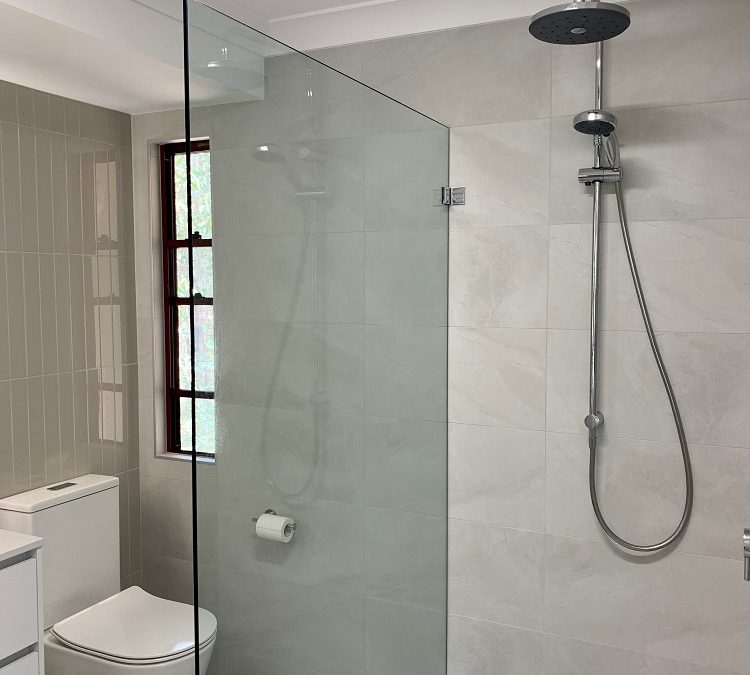
When planning a bathroom renovation, most homeowners start with the visible parts.
The tiles.
The vanity.
The tapware.
The shower screen.
The colour palette.
The layout they saw online.
But one of the biggest cost factors in a bathroom renovation is often hidden under the floor or inside the walls.
Plumbing layout.
Moving a toilet, shower, vanity or bath can completely change the complexity of a bathroom renovation. What looks like a simple design change on paper may require new drainage, new water lines, concrete cutting, floor set-out changes, wall changes, waterproofing adjustments and extra trade coordination.
That does not mean you should never move plumbing. Sometimes changing the layout is the right decision. It can improve space, function, resale value and everyday use.
But it does mean homeowners should understand the cost implications before committing to a new bathroom design.
If you are renovating a bathroom in Brisbane and thinking about moving the toilet or shower, here is what you need to know.
Why Bathroom Layout Changes Affect Cost
A bathroom renovation can be much more straightforward when the main plumbing fixtures stay in the same position.
That means the toilet remains where it is.
The shower stays in roughly the same location.
The vanity remains connected to existing water and waste points.
The bath, if there is one, stays close to the existing plumbing.
When this happens, the renovation can often work with the existing plumbing layout, provided the existing pipework is suitable and in good condition.
When fixtures move, the job changes.
Moving a toilet or shower may require alterations to:
- sewer drainage
- waste pipes
- hot and cold water lines
- floor falls
- wall framing
- slab or subfloor access
- waterproofing areas
- tiling set-out
- ventilation planning
- electrical placement
- fixture spacing
- compliance documentation
The more the layout changes, the more the builder and trades need to investigate, plan and coordinate.
That is where the cost can increase.
Moving a Toilet Is Usually More Involved Than People Expect
Of all the fixtures in a bathroom, the toilet is often the one homeowners underestimate.
Moving a toilet is not the same as moving a towel rail or swapping a vanity.
A toilet connects into sanitary drainage. It needs the correct waste connection, fall, spacing, ventilation and compliance. Depending on the existing home, floor structure and pipe locations, moving a toilet can become a much bigger job than expected.
In some bathrooms, moving the toilet a short distance may be relatively manageable. In others, it may require cutting into concrete, altering drainage, accessing the floor below, changing the set-out or working around structural limitations.
The main factors that affect toilet relocation cost include:
- whether the home is on a concrete slab or raised floor
- where the existing sewer line runs
- whether the toilet is moving a small or large distance
- whether the floor needs to be cut or chased
- whether the existing drainage has enough fall
- whether walls or framing need to be altered
- whether other fixtures are also moving
- whether the bathroom is upstairs or downstairs
- whether there are access issues under the house
- whether previous renovations created hidden complications
A toilet move may be worth doing if the existing bathroom layout is awkward, cramped or poorly planned. But it should be priced properly from the beginning.
If a bathroom renovation quote includes moving the toilet but does not explain what plumbing work is involved, ask for clarification before accepting the quote.
Moving a Shower Can Also Change the Job
Moving a shower can also affect bathroom renovation cost, especially if the shower is moving to a new wall, changing size, becoming a walk-in shower or replacing a bath.
A shower needs correct water supply, drainage, waterproofing, floor fall and screen placement. If it is not planned properly, the finished bathroom may look good but perform poorly.
Moving a shower can affect:
- the shower waste location
- the floor fall toward the waste
- the waterproofing zone
- the tile layout
- the shower screen position
- wall niches
- mixer and rail placement
- wall framing
- plumbing access
- ventilation
- drainage capacity
This is especially important with walk-in showers. They look clean and modern, but they need careful planning. The floor fall, screen position, shower head location and drainage all need to work together.
A badly planned walk-in shower can lead to water escaping across the bathroom floor, poor drainage, awkward cleaning, slippery areas or long-term moisture problems.
That is why layout decisions need to be made with the builder and trades involved, not just from a Pinterest image.
Concrete Slab Bathrooms Can Be More Expensive to Change
Many Brisbane homes have bathrooms built on concrete slabs.
When plumbing needs to move through or under a concrete slab, the renovation can become more involved. The slab may need to be cut, chased or opened so plumbing can be redirected. That can add labour, mess, noise, time and repair work.
Once plumbing changes are complete, the area needs to be made ready again for waterproofing, tiling and finishing.
This does not mean a concrete slab bathroom cannot be redesigned. It just means homeowners should be realistic about the additional work.
A bathroom layout that looks simple on a floor plan may become more expensive once slab cutting, drainage changes and reinstatement are included.
Raised Floor Bathrooms May Be Easier, But Not Always
In some Brisbane homes, especially older Queenslander-style or raised homes, plumbing may be easier to access from underneath.
That can make certain layout changes more manageable.
However, it still depends on the condition of the existing plumbing, the direction of floor joists, the available fall, access under the home and whether previous renovations were completed properly.
Raised floor access can help, but it does not automatically make plumbing changes cheap or simple.
A builder still needs to assess the actual site conditions.
Why Keeping the Same Layout Can Save Money
If your existing bathroom layout works reasonably well, keeping the main fixtures in the same position can help control the renovation budget.
This is often one of the simplest ways to reduce cost without making the bathroom feel cheap.
You may still be able to dramatically improve the space by changing:
- tiles
- vanity style
- mirror
- lighting
- shower screen
- tapware
- toilet suite
- storage
- ventilation
- paint
- fittings
- wall niches
- towel rails
- colour palette
In many cases, a bathroom can feel completely different even when the toilet, shower and vanity stay in similar positions.
This is where a good renovation builder can help. The goal is not just to make the bathroom look better. It is to decide where money should be spent for the biggest improvement.
Sometimes the smart move is to keep the plumbing mostly where it is and invest more into finishes, lighting, storage and layout refinement.
Other times, the existing layout is so poor that moving plumbing is worth the extra cost.
When Moving the Toilet or Shower Is Worth It
There are situations where moving plumbing makes sense.
For example, it may be worth moving a toilet, shower or vanity if:
- the current bathroom layout is cramped
- the toilet is the first thing visible from the doorway
- the shower is too small
- the vanity blocks movement
- the bath is unused and taking up too much room
- the bathroom has poor storage
- the layout does not suit ageing, children or accessibility needs
- the shower leaks due to poor previous design
- you want to create a larger walk-in shower
- the existing plumbing is outdated and needs replacement anyway
- the renovation is part of a larger home improvement project
In these cases, keeping everything where it is may save money upfront but leave you with a bathroom that still does not work properly.
The key is to make the decision intentionally.
Do not move plumbing just because a layout looks nice online. Move plumbing when the improvement in function, space and long-term value justifies the extra work.
Layout Changes Can Also Affect Waterproofing
Waterproofing is one of the most important parts of a bathroom renovation.
When the shower changes position, the waterproofing design may also change. Wet areas, wall junctions, floor wastes, hobless entries, niches, bath areas and wall linings all need to be considered.
This matters because waterproofing is not just a product. It is a system.
The bathroom needs to be prepared properly, waterproofed correctly and allowed to cure before tiling. If plumbing changes alter the wet area layout, the waterproofing plan needs to account for that.
A quote that includes moving the shower should also allow for the waterproofing requirements that come with the new design.
Plumbing Changes Can Affect the Timeline
Moving plumbing can also change how long a bathroom renovation takes.
A simple like-for-like bathroom renovation may be easier to sequence. The builder can plan demolition, rough-in, sheeting, waterproofing, tiling and fit-off around a clearer existing layout.
When plumbing is moved, extra steps may be required.
This can include:
- further investigation after demolition
- cutting or opening floors
- altering drainage
- moving water lines
- arranging plumbing inspections or documentation
- reinstating floor or wall areas
- adjusting waterproofing preparation
- coordinating additional trade visits
A few extra days may not sound like much, but if the bathroom is the only bathroom in the home, timeline matters.
Before committing to a new layout, ask how the plumbing changes will affect the project schedule.
Compliance and Documentation Matter
Bathroom renovations are not just cosmetic work.
When plumbing and drainage work is altered, there may be compliance requirements. In Queensland, some plumbing and drainage work is classed as notifiable work and must be registered by the plumber or drainer.
This is one reason it is important to use properly licensed trades.
Homeowners should ask what plumbing work is being done, who is completing it and what documentation will be provided.
For larger renovation work, it is also important to have the scope, inclusions, exclusions, allowances and variations clearly documented in writing.
A clear contract and quote help protect both the homeowner and the builder.
The Real Question: Is the Layout Change Worth It?
Before moving your toilet, shower or vanity, ask a simple question:
Will this change make the bathroom meaningfully better?
If the answer is yes, the extra cost may be worthwhile.
If the answer is unclear, there may be a smarter way to improve the bathroom without moving major plumbing.
Here are some questions to ask during the planning stage:
- What problem are we trying to solve by moving this fixture?
- Can we improve the bathroom while keeping the plumbing mostly where it is?
- How much extra will this layout change add?
- Will moving the toilet or shower affect the timeline?
- Does the current floor structure make the change easy or difficult?
- Are there hidden risks behind the existing walls or floor?
- Will this change improve daily use?
- Will this change improve resale appeal?
- Is the extra cost better spent elsewhere?
A good builder will not simply say yes to every design idea. They should help you understand the trade-offs.
What to Ask Before Accepting a Bathroom Renovation Quote
If your bathroom renovation quote includes moving a toilet, shower, bath or vanity, ask these questions before accepting:
- What plumbing fixtures are being moved?
- How far are they moving?
- Does the quote include drainage changes?
- Does the quote include hot and cold water changes?
- Will the floor or slab need to be cut?
- Are there any access issues?
- Is the bathroom on a concrete slab or raised floor?
- Will the layout change affect waterproofing?
- Will the layout change affect tiling?
- Is electrical work also affected?
- What documentation will be provided for plumbing work?
- What could cause the cost to change after demolition?
- How will variations be approved?
- How will the timeline be affected?
- Is there a more cost-effective layout option?
These questions can help you avoid surprise costs and make a better decision before work begins.
A Smarter Way to Plan Your Bathroom Renovation
The best bathroom layout is not always the one that moves the most things.
It is the one that gives you the best balance of function, cost, durability and design.
Sometimes that means keeping the main plumbing where it is.
Sometimes it means moving the shower to create a better flow.
Sometimes it means removing a bath and building a larger walk-in shower.
Sometimes it means shifting the vanity to improve storage.
Sometimes it means moving the toilet because the current position simply does not work.
The important thing is to understand the cost and construction impact before locking in the design.
A bathroom renovation should not start with guesswork. It should start with a proper assessment of the existing space, the plumbing, the structure, the budget and the outcome you want.
Planning a Bathroom Renovation in Brisbane?
If you are thinking about moving your toilet, shower, vanity or bath, speak with Briswest Renovations before locking in the layout.
Briswest Renovations can help you understand what is practical, what may affect cost, and how to plan your bathroom renovation properly from the start.
A better bathroom is not just about where everything looks good on a floor plan.
It is about making sure the design works behind the walls, under the floor and in daily life.